Om nooit te vergeten:Boxer Joep

Dit is een verhaaltje uit het verleden,toen een van mijn voorgangers -Max- nog een jonge hond was.Daar ging mijn bazin ook altijd mee naar het park hier niet ver vandaan en heeft ze heel wat contacten opgedaan.Hondenbazen zoeken elkaar altijd op toch?
Duitse Japans sprekende Herders
Nog meer akelig nieuws:baas laat hond kat dood bijten

ARNHEM - De woede bij eigenaren, personeel en vaste klanten van tankstation VéBé van Steijn aan de Arnhemse Van Oldenbarneveldstraat is groot; zondagochtend werd 'huiskat' Oscar van het pompstation met opzet doodgebeten door eenStaffordshire bullterriër. Een jongen en zijn vriendin zagen het gebeuren.
"We waren op zoek naar een toilet", zegt Remco. "Plotseling kwam een man aanlopen met zijn hond.
Hij zei: 'wil je wat moois zien?' Toen stuurde hij zijn hond op de kat af. Het dier had geen schijn van kans."
De baas van de Staffordshire rende weg toen hij zag dat Remco en zijn vriendin erg schrokken.
Petra van Stijn, eigenaar van het tankstation en de baas van kater Oscar is enkele dagen later nog verbijsterd en kwaad. „Dat zo iemand en zo’n hond nog gewoon loslopen. Levensgevaarlijk.''
De politie weet van het voorval. Er wordt gezocht naar de eigenaar en de hond. De politie heeft een verklaring van Remco en zijn vriendin opgenomen en ook van Petra van Stijn.
Van Stijn denk dat de hondenbezitter een buurtbewoner is. „Het was een lange, kale man van een jaar of 25. Hij woont hier waarschijnlijk dichtbij. Waarom laat je anders je hond hier op zondagochtend uit. Ik vermoed dat hij zich hier niet meer durft te vertonen.”
Politie zoekt puppymoordenaar.Help zoeken!

Politie zoekt puppymoordenaar
Voorbijgangers vonden het verminkte lichaam van een pup en sloegen alarm. De politie hoopt dat getuigen iets hebben gezien waardoor de dader of daders kunnen worden achterhaald.
Het ras van het dode hondje is onbekend. Uit onderzoek is gebleken dat het dier is overleden aan zijn verwondingen door mishandeling.
84 Besmette honden in beslag genomen

Het werkt aanstekelijk


Wie springt

Wie springt krijgt eventjes niks heb ik gemerkt.
En de hond,zij ploegde voort

Goede titel voor dit stukje want soms is het als hond zijnde ploegen geblazen.
Mijn arme zus!


Waarom moeilijk doen?


Mijn oma is de BOB!

Zoals misschien bekend is er op dit moment een heel grote hondenshow aan de gang in Parijs en daar doen een paar familieleden van mij mee!
Kleine meisjes worden groot

Kleine meisjes worden groot en dat gaat hier wel heel snel lijkt het.
Jammer maar helaas

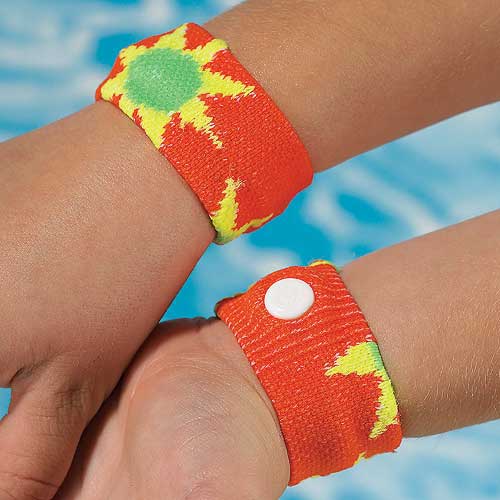
Zoals misschien bekend heb ik erg veel last van wagenziekte en dat is heel vervelend.
Groot Brittannie versoepelt importregels

Defra (Department for Environment, Food and Rural Affairs) announced on Wednesday that from January 1 2012, changes will be made to its pet movement rules which will bring the UK’s Pet Travel Scheme in line with the rest of the European Union.
Caroline Kisko, KC communications director said: “Whilst this potentially represents a significant cost saving for dog owners, it could lead to serious health problems if owners stop treating their dogs for ticks and tapeworms. The Pet Travel Scheme was originally set up to protect human health but it is also vital to ensure that owners continue to protect their dogs’ health by carrying out both of these treatments.
“Tapeworms and ticks can lead to serious illness in dogs – illnesses which are not currently found in the UK. To this end the KC will be producing help and advice to dog owners while continuing to discuss this issue with Defra.”
The new rules on pet passports will make it cheaper, simpler and easier for UK exhibitors to travel abroad with their dogs.
The current requirement, to carry out a blood test followed by a six-month wait before entry into the UK, will no longer be required.
All pets will still need to be microchipped and vaccinated against rabies but pets from the EU and listed non-EU countries such as the USA and Australia will only have to wait 21 days before they travel. Tick treatment for pets returning to the UK will also no longer apply.
Sisters, Liz and Claire Millward, from Sheffield, of Alouann Afghan Hounds travel with their dogs to European shows approximately three times a year but a bitch they bred travels out of the UK on a regular basis. Next weekend, the sisters will take five dogs to compete at the World Dog Show in Paris.
Liz told DOG WORLD that the planned changes are much better than the old system: “In regards to tick treatment, for people who show regularly you were having to treat them with tick and worming everytime. Sometimes you had shows within a couple of weeks so would have to tick and worm which is not good for the dog to have so often. Dependent on what happens to the worming, not having the structure of the tick treatment will allow more flexibility for travel.
“In regards to the waiting period, it will allow puppies to come into the UK earlier which therefore will be better for the dog than having to leave the breeders for a new home at nine or then months old. It also opens up the breeding programme more as a lot of breeders could not keep puppies for that period of time so you could not import the lines, this will now change and hopefully open the gene pool up even further.”
Her sister, Claire, added that the current system has worked well for them but they did once have an issue with a dog that was down to an incorrect date on the passport. But she added: “I think more people will go abroad now as it will also help with mating dogs/bitches as there is less notice needed.”
Pets from unlisted non-EU countries such as India, Brazil and South Africa will be able to enter the UK if they meet certain strict criteria to ensure they are protected against rabies, including a blood test and a three-month wait before they enter the UK. Currently pets entering from these countries require to be vaccinated against rabies on arrival and be quarantined for six months.
It’s believed that despite the changes, the risk of rabies coming to the UK will remain extremely low and it’s estimated that the new rules mean there would be one case of rabies in a pet in the UK once every 211 years, with the possibility of a person dying from rabies obtained from a pet once in every 21,000 years.
Environment secretary Caroline Spelman said that the system was due for change: “The UK’s quarantine system was designed to combat the threat of rabies in the 19th century and has now been left far behind by scientific advances. It’s time we changed these outdated rules which have caused hardship to generations of pets and pet owners, and those who rely on assistance dogs, with too many animals cooped up unnecessarily.
“What is needed is a simpler, evidence-based system for protecting the UK from rabies which recognises the actual risk to pets and pet owners. The EU’s pet movement scheme has been working very well for nearly a decade, and it makes sense for us to have similar rules. It means the UK will remain protected from rabies and other exotic diseases while making it easier and cheaper for people to take their pets abroad.”
It’s still not known whether the current requirement of applying tapeworm treatment will stay the same. As part of the planned changes for next year, Defra said that tick treatments will no longer be required and are awaiting a decision at European level regarding tapeworm provisions.
Chief medical officer Professor Dame Sally Davies said: “It is important to continue to protect the public against the risk of serious exotic tapeworm infections and the government is pressing to retain our tapeworm controls for pets entering the UK. The wider public health risks from exotic tick-borne infections and the need for tick controls for pets entering the UK will be kept under review.”
All pet owners travelling abroad with their animals are being advised to still discuss with their vets the use of treatments, including those designed to control ticks as part of good animal health practice.
The UK, along with Ireland, Sweden and Malta, has an exemption from the standard EU pet travel rules. They are all harmonising their entry rules with the rest of the EU at the same time as the UK.
Full details of the changes to the Pet Passport Travel Scheme can be found here:
Entry rules for pets entering the UK from the EU and listed non-EU countries:
Requirement Now From 1 January 2012
Microchip Yes Yes
Rabies vaccination Yes Yes
Documentation (pet passport or third country certificate) Yes Yes
Blood test (dogs and cats) Yes No
Pre-entry waiting period Yes Yes
Length of waiting period before entry to the UK 6 months from date sample taken for blood test 21 days after vaccination against rabies
Tick treatment Yes (24-48 hours before embarkation) No
Tapeworm treatment Yes (as for ticks) Under consideration at European level
Entry rules for pets entering the UK from unlisted non-EU countries:
Requirement Now From 1 January 2012
Microchip All pets from unlisted third countries are licensed into quarantine for 6 months and vaccinated against rabies on arrival Yes
Rabies vaccination Yes
Blood test Yes. Blood sample taken at least 30 days after vaccination.
Documentation ( third country certificate) Yes
Pre-entry waiting period Yes
Length of waiting period before entry to the UK 3 months after blood sample date
Tick treatment No
Tapeworm treatment Under consideration at European level
Op familiebezoek


Niet elke hond heeft het zo goed,maar Minnie nu wel!

===================
Nee,niet elke hond heeft het zo goed als onze honden in het noordelijke deel van Europa.Een hondje dat het niet erg getroffen heeft tot nu toe is Minnie.
http://www.dierenhulpzondergrenzen.com/AdoptieDetails.aspx?dierid=11294&naam=Minnie


Heel apart
Nog een boel te leren


Druk,druk,druk


1 reactie op dit bericht
appelen