|
Metalworking has always balanced power and precision. Traditionally, achieving high temperatures meant large furnaces, heavy energy consumption, and long heating cycles. Today, compact induction furnaces are reshaping that equation. By combining advanced electromagnetic technology with space-saving design, these furnaces offer a smarter and greener approach to melting and processing metals, especially for small workshops, makers, and experimental studios.
At the heart of an induction furnace is a simple but elegant principle: metal is heated directly by an electromagnetic field rather than by an open flame or heating element. This direct energy transfer makes the process remarkably efficient. Compact induction furnaces can reach melting temperatures in minutes, not hours, dramatically reducing wasted energy. Because the heat is generated inside the metal itself, there is far less loss to the surrounding air, making induction technology one of the most energy-efficient methods available.
Environmental benefits are a major reason for the growing popularity of compact induction furnaces. Unlike gas-fired or oil-based systems, small induction melting furnaces produce no combustion gases at the point of use. This means cleaner air in the workshop and a significantly smaller carbon footprint. For metalworkers who care about sustainability, induction melting aligns well with greener production goals while still delivering professional results.
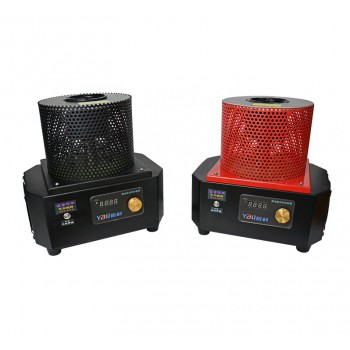
Precision is another area where compact induction furnaces shine. Temperature control is highly accurate, allowing users to melt only what is needed and avoid overheating. This level of control is particularly valuable when working with precious metals or specialty alloys, where even small temperature fluctuations can affect quality. Consistent heating also reduces oxidation and material loss, helping metalworkers get more usable output from every batch.
The compact size of these furnaces makes them especially attractive to modern metalworkers. They fit easily into small studios or shared makerspaces and often require minimal installation. Many models run on standard electrical connections, eliminating the need for complex ventilation or fuel storage. This accessibility lowers the barrier to entry for hobbyists and small-scale professionals alike, opening doors to experimentation and innovation.
Safety should not be overlooked. Compact induction furnaces typically feature enclosed coils, automatic shutoff systems, and cool outer casings, reducing the risk of accidents. With no open flames and fewer hot external surfaces, the working environment becomes safer and more comfortable.
In a world increasingly focused on efficiency and sustainability, compact induction furnaces represent a meaningful step forward. They prove that metalwork can be both powerful and responsible—delivering fast, precise results while conserving energy and reducing environmental impact. For anyone looking to work smarter and greener with metal, induction technology is no longer a future concept; it is a practical solution available today.
Related articles: https://blog.udn.com/G_113682304699756508/186122476
02-02-2026, 10:39 geschreven door peter25
|



