|
In modern jewelry workshops, precision and flexibility are essential. Among the most versatile tools available to jewelers is the micromotor. Compact, lightweight, and highly controllable, jewelry micromotors have transformed the way artisans approach detailed work. From shaping raw metal to executing intricate engravings, these devices bridge the gap between traditional craftsmanship and modern efficiency.
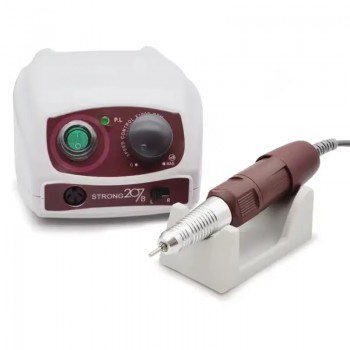
At its core, a jewelry micromotor consists of a control unit and a handpiece powered by a high-speed electric motor. Unlike bulky rotary tools, micromotors are designed for continuous, stable operation with minimal vibration. Adjustable speed settings—often ranging from a few thousand to over 30,000 RPM—allow jewelers to tailor performance to specific tasks. This level of control is especially important when working with delicate materials such as gold, silver, platinum, or even softer gemstones.
One of the primary uses of a micromotor is filing and shaping. After casting or soldering, jewelry pieces often require refinement to remove excess metal, smooth seams, or adjust contours. By attaching carbide burs or abrasive bits, jewelers can quickly and accurately shape prongs, resize settings, and refine design lines. Compared to manual files, micromotors reduce physical strain and significantly improve efficiency while maintaining accuracy.
Surface preparation is another key application. Before polishing, metal surfaces must be properly leveled and smoothed. Mounted sanding drums, rubber abrasives, and polishing points attached to a micromotor allow gradual progression through grit levels. This controlled process ensures that scratches are minimized before final finishing. The ability to switch attachments easily makes the micromotor ideal for moving seamlessly between shaping and pre-polishing stages.
Stone setting also benefits from micromotor precision. Creating seats for gemstones requires exact measurements and steady hands. With specialized setting burs, jewelers can carve precise recesses into prongs or bezels. The consistent torque of a micromotor prevents sudden speed fluctuations, reducing the risk of slipping and damaging valuable stones. In pavé or micro-setting work, where tolerances are extremely tight, such reliability is invaluable.
Perhaps one of the most artistic uses of jewelry micromotors is engraving and texturing. By fitting fine engraving bits or diamond points, artisans can carve intricate patterns, monograms, or decorative textures directly into metal surfaces. Unlike traditional hammer-and-chisel engraving, micromotor engraving allows smoother curves and greater control over depth. This opens creative possibilities for both subtle detailing and bold decorative statements.
Additionally, micromotors are widely used for cleaning and restoration. In repair work, oxidation, old solder, or accumulated dirt must often be removed from antique or worn pieces. Gentle abrasive brushes and polishing tips enable targeted cleaning without compromising structural integrity. This makes micromotors essential tools for restoration specialists seeking to preserve original craftsmanship.
Beyond versatility, comfort is another advantage. Ergonomically designed handpieces reduce hand fatigue during extended sessions. For professional jewelers working long hours on intricate designs, this ergonomic benefit contributes to both productivity and precision.
From filing and shaping to engraving and restoration, jewelry micromotors have become indispensable in contemporary workshops. They combine power with finesse, enabling artisans to execute technical tasks efficiently while preserving creative control. In a craft where detail defines value, the micromotor stands as a symbol of how innovation enhances—rather than replaces—the art of jewelry making.
https://www.jewelerstoolsmall.com/goods-1992.html
25-02-2026, 07:46 geschreven door peter25
|



