|
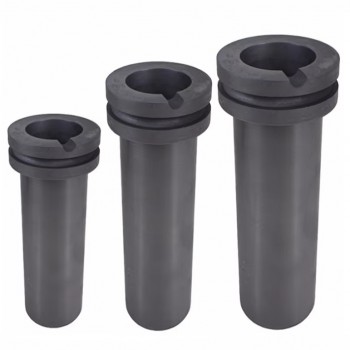
Small graphite crucibles are widely used in jewelry casting, metal refining, and laboratory melting due to their excellent thermal conductivity and resistance to high temperatures. However, despite their durability, they are not immune to failure. Understanding common failure modes and implementing preventive measures can significantly extend their service life and improve process reliability.
One of the most frequent issues is thermal shock cracking. Small graphite crucibles can crack when exposed to rapid temperature changes, such as placing a cold crucible directly into a hot furnace or removing a hot crucible into a cool environment. This sudden expansion or contraction creates internal stress that leads to fractures. To prevent this, always preheat crucibles gradually. Start at a low temperature and increase it step by step, allowing the material to expand evenly.
Another common failure mode is oxidation erosion. At high temperatures, especially above 500°C in the presence of oxygen, graphite begins to oxidize, leading to material loss and thinning of the crucible walls. Over time, this weakens the structure and may result in leaks or breakage. To minimize oxidation, operate in a controlled or reducing atmosphere whenever possible. Additionally, keeping the furnace well-sealed and avoiding unnecessary airflow can help slow down oxidation.
Chemical attack from fluxes and slags is also a major contributor to crucible degradation. Certain fluxes used in metal refining can react with the graphite or the bonding materials within the crucible, causing surface pitting or structural weakening. To prevent this, select fluxes that are compatible with graphite and avoid prolonged exposure to aggressive chemicals. After each use, remove residual slag carefully to prevent buildup and further reactions.
Mechanical damage is another overlooked but critical issue. Small graphite crucibles are relatively fragile and can be chipped or cracked during handling, especially when using metal tongs or tools. Even minor surface damage can propagate into larger cracks during heating cycles. Using properly designed crucible tongs and handling the crucible gently can significantly reduce this risk. It is also advisable to inspect crucibles regularly for small cracks or chips before use.
Overheating can also shorten the lifespan of a crucible. Exceeding the recommended maximum temperature causes accelerated wear, softening of the binder, and eventual structural failure. Always follow the manufacturer’s temperature guidelines and use a reliable temperature monitoring system to avoid accidental overheating.
Finally, improper storage conditions can contribute to premature failure. Graphite crucibles can absorb moisture if stored in humid environments. When heated, this moisture turns into steam, which can cause internal pressure and cracking. Store crucibles in a dry, well-ventilated area and, if necessary, pre-dry them at a low temperature before use.
In conclusion, while small graphite crucibles are essential tools in many high-temperature applications, their longevity depends heavily on proper handling and operation. By addressing issues such as thermal shock, oxidation, chemical attack, mechanical damage, overheating, and moisture exposure, users can significantly extend crucible life and maintain consistent performance.
Related articles: https://blog.udn.com/G_113682304699756508/187632036
26-03-2026, 10:20 geschreven door peter25
|



