|
Clay graphite crucibles are widely used in small foundries, jewelry workshops, and metal casting laboratories because they combine excellent thermal shock resistance with high thermal conductivity. These crucibles are typically made from a mixture of graphite, clay, and other refractory materials. While they perform well under high temperatures, their lifespan can be significantly affected by the chemical interactions with fluxes and slags during melting processes. Understanding how these substances influence crucible degradation is essential for improving efficiency and reducing replacement costs.
Fluxes are commonly added to molten metal to remove impurities, prevent oxidation, and improve metal fluidity. In many cases, they contain compounds such as borates, fluorides, or alkali salts. Although these chemicals are beneficial for refining the melt, they can be aggressive toward crucible materials. When fluxes come into contact with the clay-bonded structure of a clay graphite crucible, they may react with the silica and alumina components of the clay matrix. This chemical reaction gradually weakens the structural bond that holds the graphite particles together, leading to erosion or surface pitting inside the crucible.
Slags, which form as a byproduct of flux reactions and impurity removal, can also accelerate crucible degradation. Slag often contains metal oxides, silicates, and other compounds that become highly reactive at elevated temperatures. When slag remains in prolonged contact with the crucible wall, it can penetrate microscopic pores in the refractory structure. Over time, this infiltration leads to chemical corrosion and mechanical weakening. The problem becomes more severe when the slag has a low viscosity, allowing it to spread easily along the crucible surface.
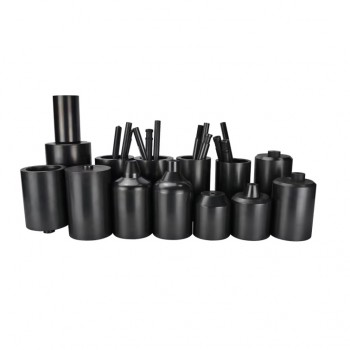
Another important factor is temperature. At extremely high melting temperatures, chemical reactions between slags, fluxes, and crucible materials occur more rapidly. Thermal cycling—repeated heating and cooling—can further intensify degradation by creating microcracks in the crucible. These cracks allow molten slag or flux residues to penetrate deeper into the structure, accelerating wear.
Operational practices also influence the degree of damage. For instance, leaving molten slag inside the crucible for extended periods increases chemical attack. Similarly, aggressive stirring or scraping during slag removal can damage the protective layer that forms naturally on the crucible surface. Once this layer is broken, fresh material becomes exposed to corrosive compounds.
To reduce degradation, operators should carefully select flux compositions that are compatible with graphite-based refractories. Maintaining appropriate melting temperatures and removing slag promptly can also extend crucible life. In addition, preheating the crucible properly and avoiding sudden temperature changes helps preserve structural integrity.
In conclusion, while fluxes and slags play essential roles in metal purification, their chemical and physical interactions with clay graphite crucibles can significantly reduce service life. By understanding these mechanisms and adopting proper handling practices, foundries and metalworkers can improve crucible durability and achieve more reliable melting operations.
https://www.jewelerstoolsmall.com/goods-1949.html
|



