|
Vintage rings often carry more than material value. A scratched wedding band from the 1940s or a faded cocktail ring from the disco era can hold decades of stories in a single piece of metal. Yet time leaves visible marks. Fine scratches, dull surfaces, and layers of oxidation slowly hide the character that once made these rings stand out. One of the most effective ways to bring them back to life is with a jewelry buffer polisher.
Unlike aggressive grinding tools, a jewelry buffer polisher works through controlled friction. It smooths surfaces gradually, allowing a restorer to revive the shine without removing unnecessary material. This is especially important when working on antique jewelry because older rings are often softer due to wear and repeated resizing over the years.
The first step in restoration is inspection. Vintage rings can have hidden cracks, loose stones, or worn prongs that become dangerous during polishing. A quick cleaning with warm water and mild soap usually reveals the true condition of the piece. Dirt packed into engravings or beneath gemstones can create the illusion of damage when the ring is actually structurally sound.
Choosing the right polishing compound matters just as much as the machine itself. Tripoli compound is commonly used for the initial stage because it removes oxidation and deeper surface marks efficiently. After that, jewelers switch to rouge compounds for the final mirror finish. Using the wrong compound on delicate metals such as platinum or high-karat gold can leave uneven textures that are difficult to correct later.
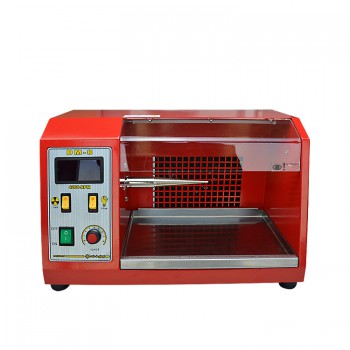
Buffer speed also changes the outcome dramatically. High speed may save time, but it increases heat buildup. Excessive heat can weaken solder joints or even damage sensitive gemstones like opals and emeralds. Experienced restorers often work in short intervals, letting the ring cool naturally before continuing. Patience usually produces better results than force.
One overlooked detail is preserving the ring’s original personality. Not every vintage ring should look factory-new. Slight wear patterns and softened edges often contribute to its charm. Over-polishing can erase hand engravings, maker’s marks, or subtle design details that distinguish authentic vintage jewelry from modern reproductions. Good restoration enhances history instead of deleting it.
Different metals respond differently during polishing. Sterling silver brightens quickly but scratches easily during handling. Platinum develops a deep luster rather than a sharp shine, requiring a softer finishing touch. Older white gold rings may reveal yellow tones beneath worn rhodium plating after buffing, making replating an important final step for some restorations.
Safety should never be ignored around polishing equipment. Rings can catch on buffing wheels and launch across the workshop in seconds. Protective glasses, dust extraction, and firm grip techniques are essential, particularly when restoring small or lightweight pieces. Many professional jewelers learn this lesson after losing a ring to the corner of a workshop wall at least once.
A properly restored vintage ring does more than sparkle under light. It reconnects the owner with another era while extending the life of the piece for future generations. With careful technique and the right jewelry buffer polisher, even heavily worn rings can regain the elegance they carried decades ago.
Related articles: https://ameblo.jp/frank35/entry-12966148283.html
|