jewelerstoolsmall
Inhoud blog
  • The Role of Ergonomics in Professional Jewelry Micromotor Work
  • Mini Gold Melting Furnace Applications in Jewelry Casting
  • How Jewelry Magnetic Tumblers Help Reduce Manual Polishing Time
  • Jewelry Bench Dust Collector vs Traditional Workshop Ventilation Methods
  • Factors That Affect Welding Quality in Jewelry Spot Welding Machines

    Zoeken in blog


    Beoordeel dit blog
      Zeer goed
      Goed
      Voldoende
      Nog wat bijwerken
      Nog veel werk aan
     

    jewelry making tools
    17-07-2026
    Klik hier om een link te hebben waarmee u dit artikel later terug kunt lezen.Creating Textured Metal Sheets Using a Jewelry Rolling Mill Machine

    A smooth sheet of metal can be beautiful, but texture is often what gives jewelry its personality. Light catches raised surfaces differently, fingerprints disappear into patterned finishes, and even the simplest pendant gains depth through carefully impressed designs. One of the most effective tools for producing these effects is the jewelry rolling mill machine, which allows artists to transfer patterns directly onto metal with remarkable precision.

    The process begins long before the metal reaches the rollers. Choosing the right texture source is just as important as selecting the metal itself. Commercial texture plates provide crisp geometric patterns, but many jewelers enjoy experimenting with unexpected materials. Fine mesh, dried leaves, lace, handmade paper, feathers, or even coarse fabric can leave fascinating impressions when used correctly. Every material tells a different visual story.

    Preparation is essential. The metal sheet should be annealed until it becomes soft enough to accept an impression without cracking. After annealing, the surface needs to be cleaned thoroughly. Dirt, oxidation, or small metal particles trapped between the sheet and the texture material can create unwanted marks that are difficult to remove later.

    When feeding the sandwich through the rolling mill, pressure must be carefully adjusted. Excessive force may flatten delicate textures or even damage the rollers, while insufficient pressure results in shallow, uneven patterns. Experienced jewelers often make several test passes on scrap metal before committing valuable silver or gold. These trials reveal how a particular material responds and help determine the ideal roller gap.
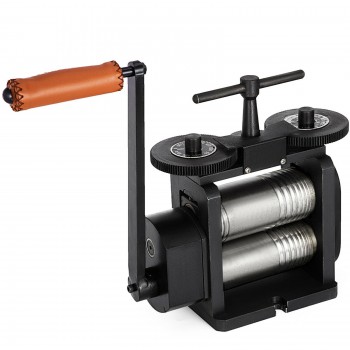
    Manual Jewelry Marking Rolling Mill Tools for Jewelers Combination Rolling Mill

    Layering textures is another creative technique that produces unique surfaces. A sheet might first receive a subtle linen-like pattern before selected areas are rolled again with a geometric design. Because each pass slightly compresses the metal, careful planning prevents previously created details from disappearing. The final result often looks far more complex than the individual steps involved.

    Different metals react differently under pressure. Fine silver generally records extremely crisp impressions due to its softness, while sterling silver requires a little more force. Copper is popular for practice because it accepts textures well and remains affordable. Brass offers attractive golden tones, although its harder structure may soften very fine details. Understanding these characteristics allows jewelers to choose the best material for a specific design.

    Textured sheets become the foundation for countless projects. Rings, earrings, cuff bracelets, pendants, and decorative settings all benefit from surfaces that reflect light in distinctive ways. Even small textured accents can transform an otherwise simple design into something that appears handcrafted and full of character.

    Proper maintenance of the rolling mill ensures consistent results over many years. The rollers should remain clean and dry, with protective covers used whenever the machine is not in service. Lubricating moving components according to the manufacturer's recommendations helps maintain smooth operation, while avoiding excessive pressure protects both the equipment and the precision finish of the rollers.

    Creating textured metal sheets is a blend of craftsmanship and experimentation. A jewelry rolling mill does more than reduce thickness—it opens the door to endless surface designs that cannot be achieved through polishing alone. With thoughtful material selection, careful preparation, and a willingness to explore unconventional texture sources, jewelers can create pieces that feel distinctive before a single stone is ever set.


    https://www.jewelerstoolsmall.com/goods-1339.html

    17-07-2026, 10:52 geschreven door peter25

    Reageer (0)
    0 1 2 3 4 5 - Gemiddelde waardering: 0/5 - (0 Stemmen)
    13-07-2026
    Klik hier om een link te hebben waarmee u dit artikel later terug kunt lezen.What Makes a High-Quality Pearl Drilling Machine Stand Out?

    Pearl drilling is one of those processes where precision matters more than speed. A single mistake can crack a valuable pearl or leave a hole that is slightly off-center, reducing both its appearance and value. Because of this, the quality of a pearl drilling machine has a direct influence on the final product. While many machines may appear similar at first glance, the details hidden beneath the surface often separate an average tool from a truly dependable one.

    The first characteristic of a premium machine is mechanical stability. A rigid frame minimizes vibration, allowing the drill bit to enter the pearl smoothly instead of bouncing across its surface. Even tiny movements can create uneven holes or damage delicate nacre, so a solid construction is essential for consistent results.

    Another feature worth paying attention to is spindle accuracy. High-quality machines are built with carefully machined components that keep the drill rotating with minimal runout. This precision becomes especially important when working with small freshwater pearls or expensive South Sea varieties, where even a fraction of a millimeter can make a noticeable difference during stringing or jewelry assembly.

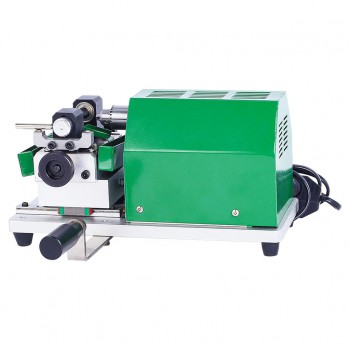
    280W Jewelry Beads Holing Pearl Drilling Machine 6000-6500RPM

    Motor performance also plays a significant role. Rather than simply offering high speed, a well-designed machine delivers stable torque across different drilling conditions. Smooth power allows the operator to adjust the drilling pace according to the pearl's size and hardness without sudden fluctuations that might chip the surface. Variable speed control further improves flexibility, making it easier to handle a wide range of pearl types.

    An effective clamping system is another hallmark of professional equipment. Pearls vary greatly in shape, from perfectly round to baroque forms with irregular contours. A reliable holder keeps each pearl firmly in place while applying gentle pressure that avoids surface marks. Quick adjustments are equally valuable, reducing downtime when switching between different sizes.

    Cooling deserves attention as well. Continuous drilling generates heat, which can shorten drill bit life and increase the risk of damaging delicate pearls. Machines equipped with efficient water-cooling or lubrication systems maintain lower temperatures, resulting in cleaner holes and longer-lasting cutting tools. This seemingly simple feature often translates into lower operating costs over time.

    Ease of maintenance is frequently overlooked until problems arise. Machines designed with accessible components allow operators to replace drill bits, clean moving parts, and perform routine servicing without complicated disassembly. Regular maintenance becomes less time-consuming, helping workshops maintain productivity throughout the year.

    Finally, the overall user experience should not be underestimated. Clearly marked controls, smooth adjustments, low operating noise, and ergonomic design reduce fatigue during long production sessions. These practical details may not appear on a specification sheet, yet they significantly improve daily workflow.

    A high-quality pearl drilling machine is defined not by flashy features but by dependable engineering. Precision, stability, reliable power delivery, secure work holding, effective cooling, and thoughtful design all work together to produce accurate holes while protecting valuable pearls. Investing in equipment built around these principles not only improves product quality but also creates a more efficient and enjoyable working environment for professional jewelers and pearl craftsmen.

    Related Articles: https://jewelerstoolsmall.tenkomori.tv/e490837.html

    13-07-2026, 11:35 geschreven door peter25

    Reageer (0)
    0 1 2 3 4 5 - Gemiddelde waardering: 0/5 - (0 Stemmen)
    Archief per week
  • 24/08-30/08 2026
  • 17/08-23/08 2026
  • 10/08-16/08 2026
  • 03/08-09/08 2026
  • 27/07-02/08 2026
  • 20/07-26/07 2026
  • 13/07-19/07 2026
  • 06/07-12/07 2026
  • 29/06-05/07 2026
  • 22/06-28/06 2026
  • 15/06-21/06 2026
  • 08/06-14/06 2026
  • 01/06-07/06 2026
  • 25/05-31/05 2026
  • 18/05-24/05 2026
  • 11/05-17/05 2026
  • 04/05-10/05 2026
  • 27/04-03/05 2026
  • 20/04-26/04 2026
  • 13/04-19/04 2026
  • 06/04-12/04 2026
  • 30/03-05/04 2026
  • 23/03-29/03 2026
  • 16/03-22/03 2026
  • 09/03-15/03 2026
  • 02/03-08/03 2026
  • 23/02-01/03 2026
  • 02/02-08/02 2026
  • 26/01-01/02 2026
  • 19/01-25/01 2026
  • 12/01-18/01 2026
  • 05/01-11/01 2026
  • 22/12-28/12 2025

    E-mail mij

    Druk op onderstaande knop om mij te e-mailen.


    Gastenboek

    Druk op onderstaande knop om een berichtje achter te laten in mijn gastenboek


    Blog als favoriet !


    Blog tegen de regels? Meld het ons!
    Gratis blog op http://blog.seniorennet.nl - SeniorenNet Blogs, eenvoudig, gratis en snel jou eigen blog!