|
A jewelry rotary tumbler looks simple from the outside: a rotating barrel, some media, and time doing the work. Yet experienced users know that consistent, high-quality results rarely come from simply loading parts and switching the machine on. The difference between average finishing and refined surface quality lies in a set of small, deliberate techniques that develop with practice.
One of the most overlooked factors is load balance inside the barrel. A rotary tumbler does not perform well when the contents are too sparse or too crowded. Advanced users aim for a fill level that allows free movement without excessive impact. Too little material causes uneven rolling, while overloading leads to muted motion and inefficient polishing. Achieving the right ratio between jewelry, media, and liquid creates a controlled “flow” inside the drum rather than chaotic tumbling.
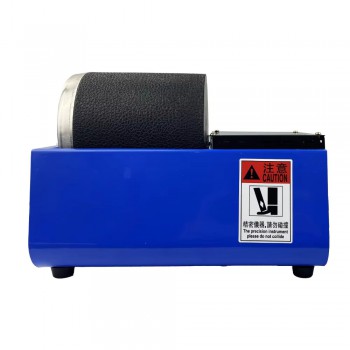
Media selection is another area where subtle adjustments make a large difference. Ceramic media is commonly used for cutting and shaping, but experienced users often blend different shapes and sizes to influence how energy is transferred during rotation. Small cylindrical pieces reach tight areas, while larger shapes stabilize movement and prevent aggressive abrasion. In finer stages, switching to softer plastic or stainless steel media can shift the process from material removal to surface refinement without changing equipment.
Timing is rarely fixed in advanced workflows. Instead of relying on preset cycles, skilled operators observe the condition of both media and workpieces. The sound of the tumbler, the clarity of the slurry, and even the temperature of the barrel become informal indicators of progress. Extending or shortening cycles based on these cues helps prevent over-polishing, which can round edges or dull engraved details.
Slurry management is another critical technique. The liquid inside the tumbler is not just a lubricant; it acts as a medium for carrying away debris and controlling friction. Advanced users adjust water levels and compound concentration depending on the stage of finishing. A thicker slurry increases cushioning and reduces surface aggression, while a thinner mix enhances cutting action. Periodic refreshing of the solution prevents residue buildup that can reduce efficiency and stain delicate metals.
Layering processes across multiple stages is where rotary tumbling becomes truly refined. Instead of expecting a single long cycle to deliver a finished surface, experienced users divide polishing into phases: initial shaping, intermediate smoothing, and final burnishing. Each stage uses different media and sometimes different speeds. This staged approach produces depth in the final surface quality that single-step processes cannot achieve.
Maintenance of the machine itself also plays a role in advanced use. A well-balanced drum reduces vibration and ensures even contact between media and parts. Users who regularly inspect seals, alignment, and rotation consistency often achieve more predictable results. Even small mechanical inconsistencies can translate into uneven polishing over time.
Ultimately, advanced rotary tumbling is less about the machine and more about control over variables. Load density, media behavior, slurry composition, and cycle timing form a system that responds to small adjustments. Mastery comes from noticing how these elements interact rather than treating the process as automatic. In that sense, the tumbler becomes less of a tool and more of a controlled environment — one where precision is built gradually, layer by layer.
https://www.jewelerstoolsmall.com/goods-1918.html
25-05-2026, 11:59 geschreven door peter25
|



